


Table of Contents
- 1. Menu Recommendations for Networking Events
- 2. Menu Recommendations for Workshop and Training Events
- 3. Menu Recommendations for Gala and Evening Dinners
- 4. Menu Recommendations for Outdoor Events
- Important Considerations in Menu Planning for Corporate Events
- Achieving Perfection in Professional Event Management with Event Multiverse
- Frequently Asked Questions
- Other Articles That May Interest You

1. Menu Recommendations for Networking Events
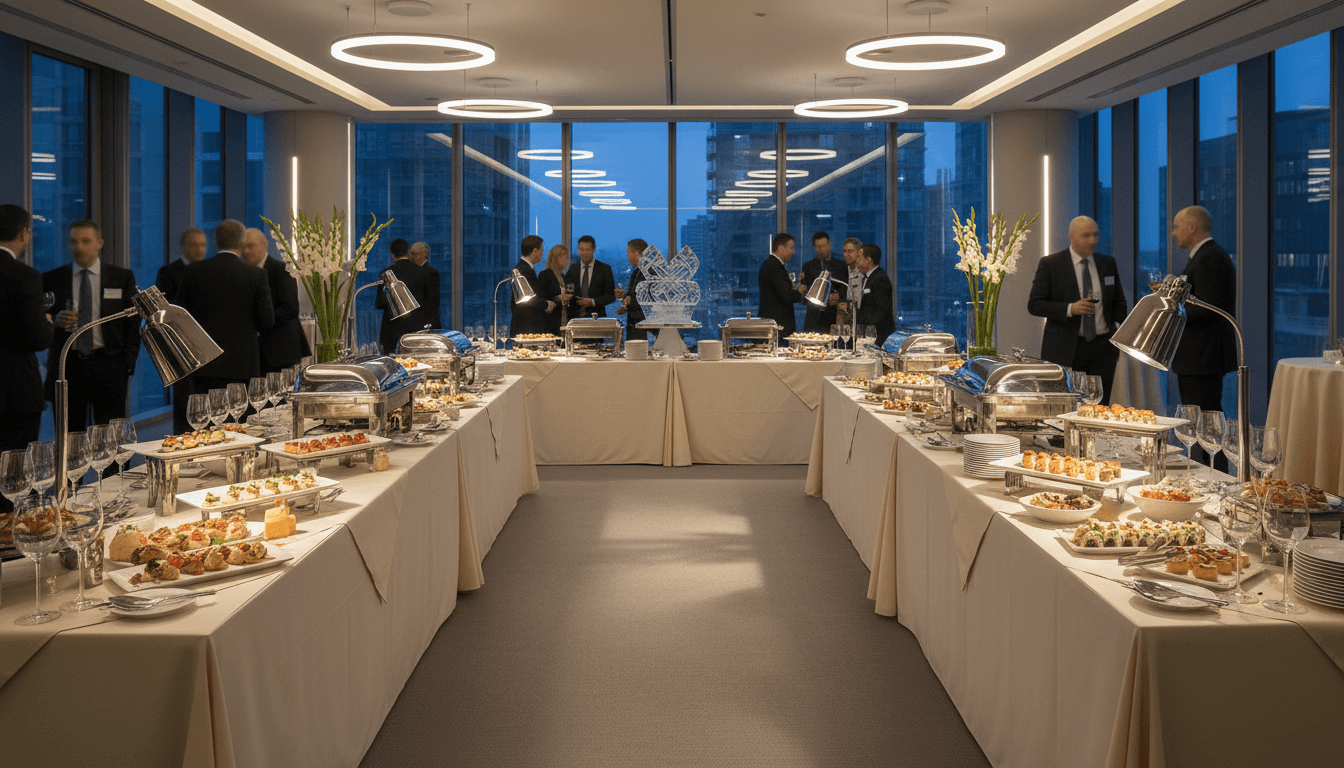
Networking events are corporate gatherings where participants meet, exchange ideas, and establish business connections. The food menu at these events should be practical, allow participants to move freely, and support conversation flow.
Finger Foods and Canapés
Finger foods and canapés are ideal for networking events. Easy to eat with one hand, these snacks allow participants to continue their conversations comfortably. Mini quiches, bruschetta, sushi rolls, cheese plates, and vegetable sticks with dips are popular choices.
Bite-Sized Protein Options
Offering participants protein-rich snacks helps them maintain their energy throughout the event. Mini beef skewers, chicken satay, shrimp cocktail, and salmon tartare are protein options that can be easily consumed standing up.
Light and Refreshing Beverages
Since networking events can last for hours, offering participants refreshing beverages is important. Fresh fruit juices, sparkling water, iced tea, and light cocktails are popular choices. Additionally, offering coffee and tea supports participants who want to continue their conversations.
2. Menu Recommendations for Workshop and Training Events
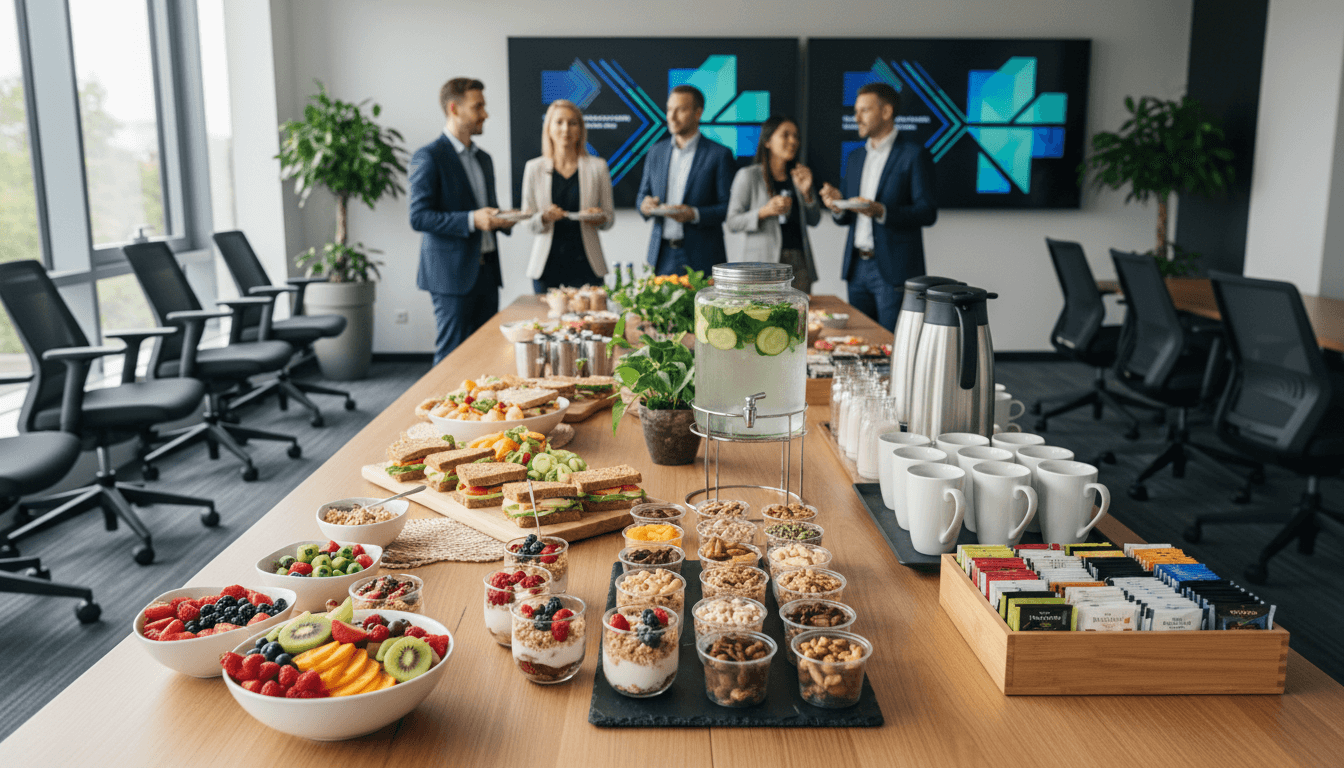
Workshops and training events are corporate gatherings where participants focus for extended periods and learn new skills. The menu at these events should help participants stay energized and maintain their focus throughout the day.
Energizing Breakfast Options
A good breakfast is essential to start the day energetically. Offering oatmeal, yogurt, granola, fresh fruits, whole grain bread, and eggs provides participants with a healthy start. Additionally, offering coffee, tea, and fresh juices is important.
Nutritious and Light Lunch
Long training sessions can be mentally exhausting. Therefore, offering a nutritious yet not heavy lunch is important. Salads, grilled chicken or fish, quinoa bowls, and vegetable-rich meals are ideal options. Avoid heavy, oily, or sugary foods as they can make participants feel sleepy.
Afternoon Snack Breaks
During afternoon breaks, offering participants healthy snacks helps them maintain their energy. Fresh fruits, nuts, energy bars, vegetable sticks, and hummus are healthy alternatives. Coffee and tea are also essential for participants who need to stay alert.
3. Menu Recommendations for Gala and Evening Dinners
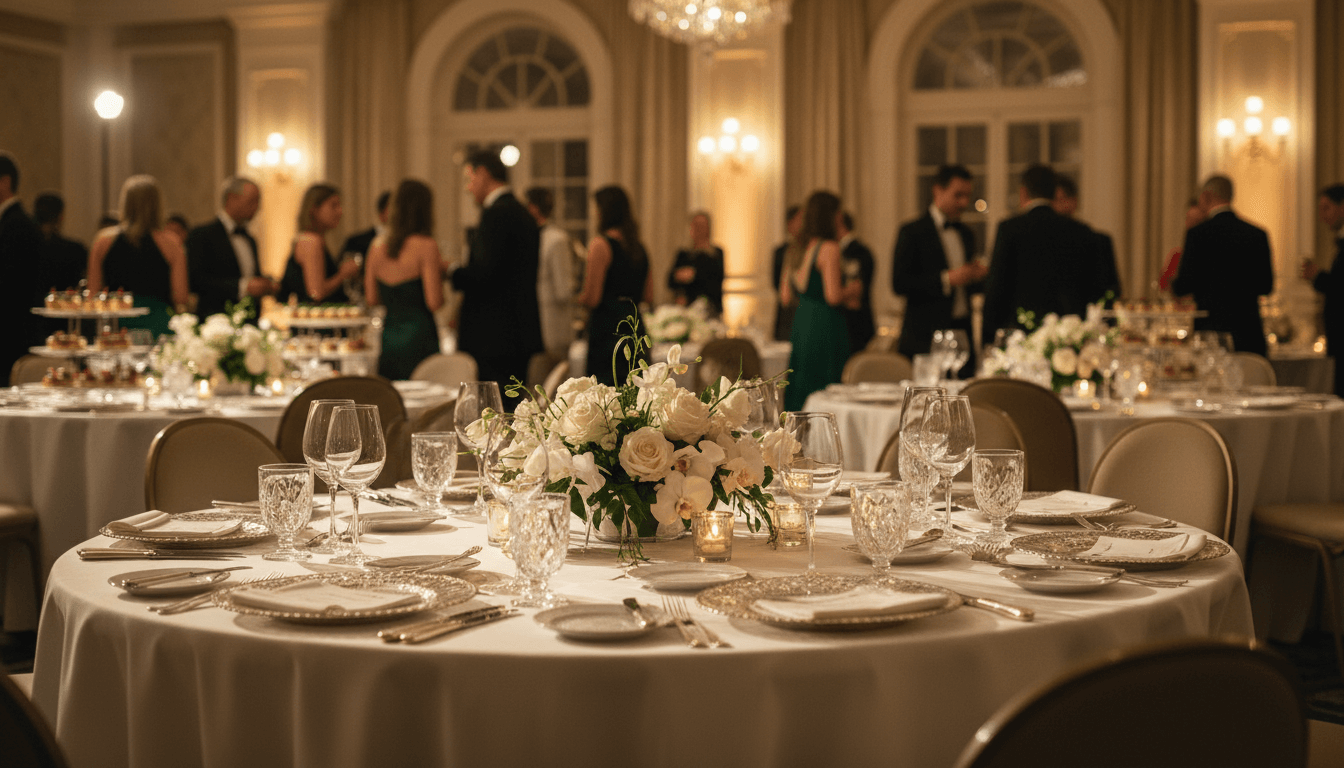
Gala dinners and evening events are special corporate gatherings usually held to celebrate, award, or build prestige. The menu at such events should be impressive, elegant, and memorable.
Multi-Course Elegant Menu
Gala dinners typically feature a multi-course menu. Appetizers, soups, salads, main courses, and desserts should be meticulously planned and presented. Each course should complement the next and offer participants an unforgettable dining experience.
Luxury Protein Options
For main courses, luxury protein options like beef tenderloin, lamb, lobster, or sea bass are often preferred. These proteins should be cooked professionally and presented impressively. Additionally, offering vegetarian and vegan options ensures all participants are considered.
Impressive Desserts and Coffee
At the end of the evening, offering participants impressive desserts leaves a lasting impression. Desserts like chocolate souffle, tiramisu, panna cotta, or fruit tarts are ideal for gala dinners. Serving coffee or tea with desserts is also important.
4. Menu Recommendations for Outdoor Events
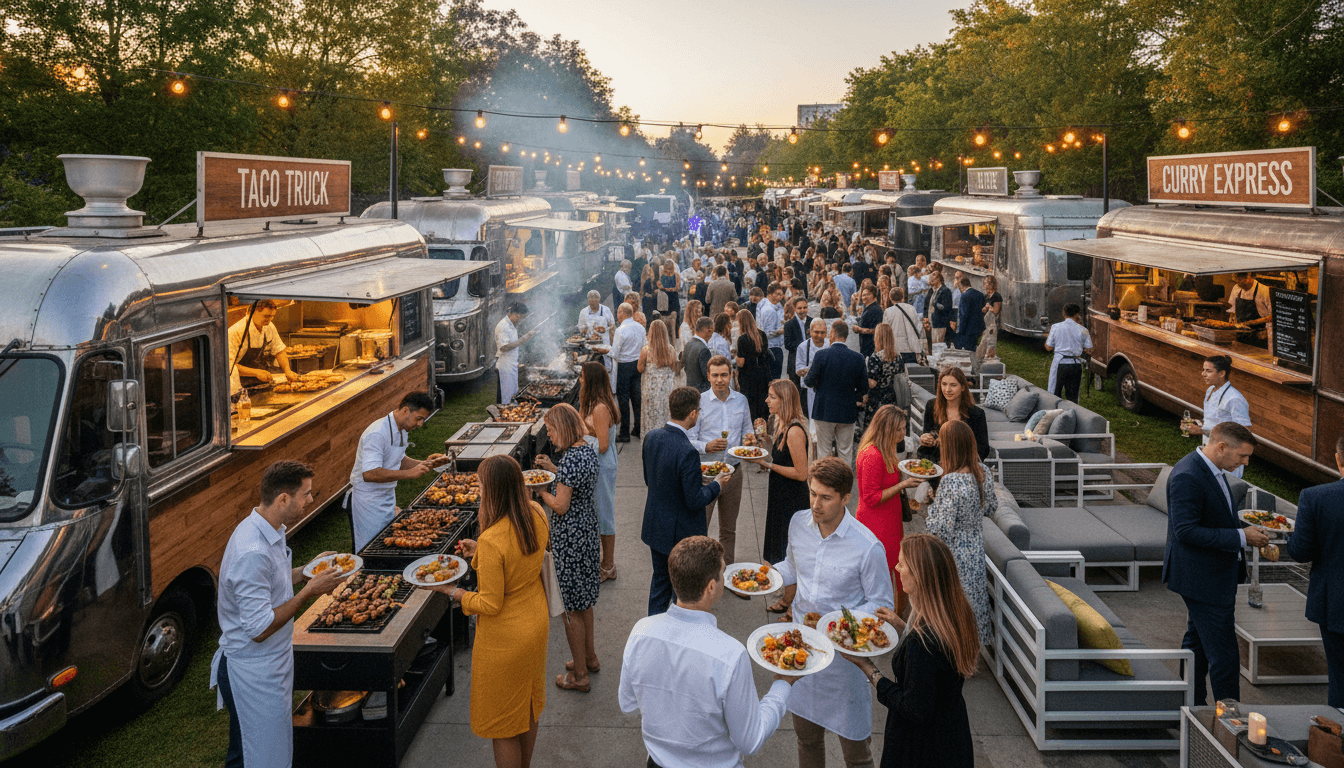
Outdoor corporate events offer participants the opportunity to connect with nature and engage in activities. The menu at these events should be practical, portable, and suited to outdoor conditions.
BBQ and Grilled Foods
BBQ and grilled foods are popular choices for outdoor events. Grilled meats, vegetables, fish, and burgers offer participants delicious meals. Additionally, offering salads, corn on the cob, and grilled mushrooms alongside the grill adds variety to the menu.
Portable Meals and Picnic Boxes
Portable meals and picnic boxes are ideal for events where participants are mobile. Sandwiches, wraps, fresh fruits, cookies, and beverages are practical options that participants can easily carry.
Refreshing Beverages and Cooling Options
Outdoor events can get quite hot during summer months. Therefore, offering participants refreshing beverages is essential. Iced lemonade, iced tea, fresh fruit juices, and cold water are ideal choices. Additionally, offering ice cream or frozen yogurt for cooling is a nice touch.
Important Considerations in Menu Planning for Corporate Events
Menu planning is a critical part of organizing a successful corporate event. Here are some important points to consider when planning the menu:
1. Understanding Participants’ Dietary Restrictions
Every participant may have different dietary restrictions. Allergies, vegetarianism, veganism, gluten-free diets, and religious dietary requirements should be considered when preparing the menu. Offering options suitable for all participants ensures everyone enjoys the event.
2. Considering Event Duration and Timing
The duration and timing of the event affect menu planning. A networking event lasting a few hours may require light snacks, while an all-day workshop requires three complete meals. Additionally, the event’s start and end times determine meal types (breakfast, lunch, or dinner).
3. Budget Planning
Menu planning should align with your event budget. Offering luxury options for gala dinners may be necessary, but simpler options can be chosen for smaller events. By working with professional catering companies, you can create a quality menu that fits your budget.
4. Portion Control and Waste Prevention
Preventing food waste at corporate events is important both economically and environmentally. Ensuring appropriate portion sizes for participants prevents both waste and excessive food consumption. Additionally, working with catering companies that use sustainable products is important for environmental responsibility.
5. Presentation and Service Quality
Food presentation and service quality significantly impact participants’ event experience. Beautifully presented dishes and professional service leave a positive impression. Especially at gala dinners and evening events, presentation is as important as taste.
Achieving Perfection in Professional Event Management with Event Multiverse
As Event Multiverse, we offer full-service event management solutions for corporate events in Antalya, Turkey, and internationally. We carefully plan every detail from menu planning to catering services, technical infrastructure to participant management.
Our services in Antalya corporate event organization and Turkey corporate event organization provide solutions suitable for events of all sizes. We work with professional catering companies, offer menu options tailored to all tastes and dietary requirements, and ensure the highest quality food service at your events.
Our expert team is with you at every stage from event concept development to execution. We create unforgettable experiences for participants by combining creative solutions, professional service approach, and attention to detail.
Frequently Asked Questions
How far in advance should menu planning for an event begin?
Menu planning should ideally begin 2-3 months before the event. This allows time to understand participants’ dietary restrictions, finalize menu details with catering companies, and make necessary arrangements. For larger events and gala dinners, starting even earlier may be necessary.
How much food should be calculated per participant?
The amount of food per participant varies depending on event type and duration. For a cocktail or networking event, 8-10 different canapés and finger foods per person are generally sufficient. For lunch or dinner events, a full meal (appetizer, main course, and dessert) should be planned. For all-day events, 3 main meals and 2 snack breaks should be considered.
How should dietary restrictions be managed?
Dietary restrictions can be determined through participant surveys prior to the event. This information should be shared with the catering company to prepare menu options for each participant. At the event, foods should be clearly labeled to help participants easily identify suitable options. Additionally, preparing separate allergy-free meal options is important.
How is food safety ensured at outdoor events?
Food safety at outdoor events is ensured through proper storage conditions, maintaining cold chain, and hygienic service practices. Catering companies should follow HACCP standards and use appropriate refrigeration equipment to keep food fresh. Additionally, ensuring food service is completed quickly and food is not left out for extended periods is important.